Kathrens Insurance
  • Home
  • Quotes
    • Auto Quotes >
      • Auto Insurance Quote
      • ATV Insurance Quote
      • Classic Car Insurance Quote
      • Motorcycle Quote
      • RV Insurance Quote
    • Property Quotes >
      • Home Insurance Quote
      • Flood Insurance Quote
      • Landlords Insurance Quote
      • Renters Insurance Quote
    • Farm Quotes >
      • Farm Insurance Quotes
      • Crop Insurance Quotes
    • Business Quotes >
      • Business Insurance Quote
      • Business Owners Package (BOP) Insurance Quote
    • Other Quotes >
      • Life Insurance Quote
      • Boat Insurance Quote
      • Umbrella Insurance Quote
  • Service
    • Report a Claim
    • Policy Review
    • Make a Payment
    • Update Contact Info
  • Blog
  • About
    • Staff Directory
    • Client Testimonials
    • Newsletter Signup
    • Insurance Carriers
    • Privacy Policy
    • Terms and Conditions
    • Accessibility Statement
  • Contact
  • Home
  • Quotes
    • Auto Quotes >
      • Auto Insurance Quote
      • ATV Insurance Quote
      • Classic Car Insurance Quote
      • Motorcycle Quote
      • RV Insurance Quote
    • Property Quotes >
      • Home Insurance Quote
      • Flood Insurance Quote
      • Landlords Insurance Quote
      • Renters Insurance Quote
    • Farm Quotes >
      • Farm Insurance Quotes
      • Crop Insurance Quotes
    • Business Quotes >
      • Business Insurance Quote
      • Business Owners Package (BOP) Insurance Quote
    • Other Quotes >
      • Life Insurance Quote
      • Boat Insurance Quote
      • Umbrella Insurance Quote
  • Service
    • Report a Claim
    • Policy Review
    • Make a Payment
    • Update Contact Info
  • Blog
  • About
    • Staff Directory
    • Client Testimonials
    • Newsletter Signup
    • Insurance Carriers
    • Privacy Policy
    • Terms and Conditions
    • Accessibility Statement
  • Contact

Kathrens Insurance Blog

When Your Mortgage Changes, Your Insurance Should Too

5/4/2026

0 Comments

 
Picture


For many homeowners, insurance premiums are paid through an escrow account managed by their mortgage company. This structured arrangement provides both convenience and reassurance, as your lender facilitates payment directly to your insurance carrier on your behalf.

However, when changes occur—such as refinancing your home or transferring your loan to a new mortgage company—it becomes especially important to ensure your insurance information is updated in a timely manner. Without these updates, even routine transitions can occasionally result in billing delays, misapplied payments, or added stress for all parties involved.

Homeowners pursue mortgage changes for a variety of beneficial reasons, including:
  • Refinancing to secure a more competitive interest rate
  • Transitioning to a lender that better aligns with their financial needs
  • Modifying loan terms or consolidating existing debt
  • Loan transfers resulting from a lender’s acquisition or merger with a larger financial institution

While these decisions are often advantageous, they do require a few proactive follow-up steps to ensure your insurance policy remains accurate, aligned, and uninterrupted.

Why updating your mortgagee clause matters

When a policy is escrowed, one of the most important details to keep up to date is the mortgagee clause. This is the information that identifies your current lender and ensures billing is directed to the correct institution for payment on your behalf.
When an individual chooses to transfer a loan from one lender to another, it’s essential that this information is promptly updated. If not, billing notices may continue to be sent to the previous lender. Since they are no longer associated with your loan, those notices are typically not redirected. This can result in your new lender never receiving the invoice, which may ultimately delay payment on your policy.

Understanding the impact on your escrow account

When billing is disrupted, it can create a ripple effect within your escrow account. A few common scenarios include:
  • Missed or delayed payment: If your new lender does not receive the insurance invoice, they may not issue payment on time. This could require you to make a temporary out-of-pocket payment to prevent a lapse in coverage.
  • Duplicate or overlapping payments: In some cases, a previous lender may issue a payment before the loan transfer is fully processed, while the new lender also schedules a payment. This can result in an overpayment toward your policy, which must later be refunded and reconciled between parties.
  • Escrow shortages: If your lender advances funds late or has to make a catch-up payment, your escrow account may fall short. When this happens, the lender may request a lump-sum deposit or increase your monthly mortgage payment to rebalance the account.

While the inconvenience of these situations can be frustrating, they are often preventable with proactive communication.

Why we rely on you for updates

Here at Kathrens Insurance, we are always happy to assist in any way we can; however, insurance agencies typically are not authorized as third parties on loan accounts unless specified otherwise. Because of this, we are limited in the information we can access. Critical details—such as updated loan numbers and payment status—are often not directly available to us, even when we contact the lender.

In some cases, updated information is sent to our office by mail during the loan transition process. Depending on timing, these updates may arrive after a payment deadline or may not be received before action is needed. For this reason, receiving updated details directly from you is the most reliable and efficient way to ensure your policy remains accurate and up to date.

How to help keep everything running smoothly

To avoid delays and ensure your coverage continues without interruption, we recommend:
  • Letting our office know when you start the refinancing process or expect a loan transfer
  • Sharing your new lender’s details, including the loan number and updated mortgagee clause (often provided in a mailed letter)
  • Confirming with your mortgage company that your insurance premium has been set up for payment

A quick update allows us to keep your policy current, prevent billing complications, and support a smooth transition during your mortgage change.
​

If you have any questions about your escrow account or upcoming changes, our team at Kathrens Insurance Agency is always here to help guide you through the process.


0 Comments

Kathrens Corner: Let’s Talk Insurance - Your Questions, Simplified

4/1/2026

0 Comments

 
Picture
By: Cate Harrigan 

The good news? That’s exactly what we’re here for!

We’re always happy to review your coverage with you and walk through the details together so you can feel confident in your decisions. While it would be nice if every insurance question had a simple “yes” or “no” answer, the reality is a bit more nuanced.

Insurance policies are designed to fit individual needs, which means your coverage, limits, deductibles, endorsements, and even how a situation unfolds all play a role in determining what is or isn’t covered. Two people can ask the exact same question and receive completely different answers based on their specific policies.

There are often important details behind the scenes—like how a loss occurred, who was involved, or what endorsements are in place—that can significantly impact coverage. Because of this, giving a quick answer without reviewing your policy could lead to confusion or even misinformation.
​
That’s why we take the time to look a little deeper. Our goal is to provide you with clear, accurate guidance tailored to your situation—not just a one-size-fits-all response.
​
So when in doubt… give us a call—we promise we’ll make it easy (and maybe even a little fun 😉).
0 Comments

Is It Luck — or the Right Coverage? Why Working with an Insurance Agent Matters

3/2/2026

0 Comments

 
Picture

By: Cate Harrigan 

March often brings thoughts of luck — four-leaf clovers, fortunate breaks, and good timing. But when it comes to insurance, the right protection shouldn’t be left to chance. It should come from thoughtful decisions and guidance tailored to your unique needs. Being new to the insurance industry, I’ve spent my first months listening closely to our clients’ experiences. One common theme I hear is that many initially chose online insurers or the lowest-priced policies, only to later discover that the coverage didn’t fully meet their needs.

Online platforms offer speed, convenience, and often very competitive pricing. For many, that quick savings feels like a lucky find. However, lower premiums can sometimes mean certain protections you assumed were included are not. Standardized policies may overlook endorsements, limits, or liability protections that are important based on your specific risks and exposures.

While we may not always be able to match the lowest online price, that’s often because our focus is on helping ensure you’re properly covered — not just minimally insured. Our goal is to help you understand what your policy truly protects, so there are fewer surprises when it matters most.

Added benefits of working with an established agent include:
- Personalized guidance that reflects their real-life risks and priorities
- Coverage clarity so they understand what is — and isn’t — included
- Claim support from a real person who helps explain next steps in some of the most stressful moments
- Practical assistance such as mailing forms, helping clarify billing concerns, or coordinating with financial institutions when appropriate
- Ongoing communication that keeps their coverage aligned with life change(s)

At Kathrens Insurance, we strive to go the extra mile to make insurance easier to navigate. While there are practical limits to what any agency can do, having a knowledgeable, local advocate can save time, reduce stress, and provide reassurance that you’re not facing important decisions alone.

Online providers serve an important role by offering accessibility and quick comparisons. But if you prefer guidance, personalized protection, and support beyond a screen, working with a local agent can provide confidence that goes beyond luck.

​This March, instead of relying on chance, consider the peace of mind that comes from coverage designed with you in mind.


0 Comments

Why Small Life Changes Can Have a Big Impact on Your Insurance

2/3/2026

0 Comments

 
Picture


​Life changes happen constantly, and one of the biggest things I’ve learned since starting in the insurance industry is how often small, everyday changes can impact coverage in ways people don’t expect. In my time at Kathrens Insurance, I’ve noticed that most coverage issues don’t come from major life events—they come from situations that feel temporary, informal, or not worth mentioning.

Some of the most common scenarios I’ve seen include:
​
  • A newly licensed teen who drives “once in a while”

  • A friend or family member borrowing a vehicle long-term

  • A roommate who slowly becomes a permanent household member

These situations may not feel official, but insurance companies look at patterns—who regularly lives in the home and who regularly uses the vehicles—not intent or assumptions.
​

Another very common situation I’ve learned to watch for is when an adult child faces a difficult chapter—whether due to financial hardship or a major life change—and needs to return home to regroup. While they focus on getting back on their feet, they may rely on your home as a home base and use your vehicle for everything from job interviews to daily errands. It might seem like a minor favor, but if they aren't officially listed as a driver on your auto policy, the consequences of an accident can be severe. Coverage can be delayed, limited, or outright denied, which could turn their temporary setback into a major out-of-pocket expense for you.

I’ve also seen similar insurance gaps arise when adult children step into a caregiver role for their parents. If you’ve started regularly driving your parents to appointments, managing their household, or even moving back in to provide full-time support, your insurance needs to reflect that reality. Both auto and homeowners policies are based on who is living in the home and who is behind the wheel on a consistent basis. Without updating these details to show you are now a primary caregiver or resident, you run the risk of complicated claims and denied coverage at the very moment your family needs support the most.

The good news is that most of these updates are quick and easy when handled proactively. A simple phone call or email can help make sure your policy keeps up with your life.
​

If you’re ever unsure whether a recent change matters, that’s completely understandable—and that’s what we’re here for. From what I’ve learned so far, it’s always better to ask. At Kathrens Insurance, we’d much rather have a quick, proactive conversation now than a stressful, reactive one later. When life changes, let us know—your future self will thank you.
0 Comments

USPS Postmark Changes: What You Need to Know

1/7/2026

0 Comments

 
Picture
USPS Postmark Changes: What You Need to Know

Starting in late December of 2025, the U.S. Postal Service (USPS) implemented and updated its postmarking process. While this change is part of USPS modernization efforts, it may affect how time-sensitive documents are handled. If you rely on postal mail for important paperwork or payments, this change matters—however there are some simple and proactive alternatives that can help you stay protected.

What has changed?
Mail is no longer postmarked with the date it was placed in the mailbox or dropped off at the local post office. Under this new USPS ruling, the official postmark date is based on when an item is first processed at a regional facility —often a day or more after it is originally mailed—meaning the postmark may not reflect the actual date of mailing.

Why is this important?
Postmark dates, similar to receipts, are often used to confirm timely submission of important materials, including insurance forms, claims documentation, legal notices, mail-in ballots, tax filings, and bill payments. A delayed postmark could cause an item to appear late, even if it was mailed out on time, creating additional late fees or penalties.

Steps you can take to avoid delays when mailing items
To help protect yourself, we recommend:
  • Mailing important documents well in advance of deadlines
  • Taking time-sensitive mail directly to a post office counter and requesting a same-day postmark (free)
  • Using certified or tracked mail when proof of mailing is important

Steps you can take to avoid delays when making an insurance payment
To help ensure your insurance payments are received on time and to prevent any potential coverage interruptions, we encourage you to consider the following options:
  • Call our office: Contact Kathrens Insurance at (419) 354-3517 to make a secure payment over the phone 
  • Pay online through your carrier: Log in to your insurance carrier’s website or customer portal to submit a payment directly.
  • Set up automatic payments: Speak with one of our agents to enroll in automatic payments for added convenience and peace of mind.

If you have questions about the best payment option for your policy, our team here at Kathrens Insurance is always here and happy to assist.
Our commitment to you
Our goal is to help you avoid preventable issues and stay informed about changes that may impact your coverage or financial obligations. Being proactive with important mailings and/or altering your method of submission can help ensure deadlines are met and reduce the risk of unnecessary complications.

If you have questions about submitting insurance documents or meeting important deadlines, please contact our office or visit USPS FAQ’s page for additional information. ​
0 Comments

Driving Home for the Holidays? Stay Protected from Panic Stop Scams

12/1/2025

0 Comments

 
Picture

​As we head into one of the busiest travel months of the year, many of us are navigating packed parking lots, crowded highways, and long lists of last-minute errands. Unfortunately, scammers know this too — and the chaos of holiday travel gives them the perfect opportunity to target distracted drivers.
One of the most common fraud schemes we see during this season is the Panic Stop Scam, a staged accident designed to make an innocent driver appear at fault. Understanding how this scam works is one of the best ways to protect yourself and keep your holidays running smoothly.


What Is the Panic Stop Scam?​
The Panic Stop Scam is a type of staged auto accident where a scammer deliberately causes a rear-end collision. Here’s how it typically unfolds:
  • A vehicle — usually older and filled with multiple passengers — positions itself directly in front of your car.
  • Those passengers act as lookouts, watching for signs that you may be momentarily distracted.
  • Once you glance away, a passenger signals the driver.
  • The driver abruptly slams on the brakes without warning, often with brake lights intentionally disabled.
  • With almost no reaction time, the innocent driver ends up rear-ending the scammer’s vehicle.
  • After the collision, the passengers may claim various injuries, and the scammer often provides a dramatic, well-rehearsed version of events to shift full liability onto the victim.

Because rear-end collisions often appear cut-and-dry, these situations can be difficult to dispute without clear evidence.


How to Protect Yourself While Traveling This Season
Even without specialized equipment like a dash camera, a few simple precautions can significantly reduce your risk of becoming a target:

1. Keep a Safe Following DistanceAvoid tailgating. Extra space means extra reaction time — your best defense against sudden stops.
2. Call Law Enforcement to the SceneRequest a police report, even for minor accidents. It provides an impartial record of what occurred.
3. Document EverythingUse your phone to capture photos or video of damage, license plates, the surrounding scene, and the other vehicle’s occupants before anything moves.
4. Be Cautious of Unsolicited “Help”Scammers sometimes work with individuals who appear at the scene offering lawyers, medical care, or guidance. Politely decline.
5. Avoid Unrequested Tow TrucksOnly use your trusted towing provider. Scammers often coordinate with tow companies to inflate charges.
6. Trust Your Instincts With Medical ProvidersIf someone pressures you into unnecessary treatment, be wary. Inflated medical claims are a common part of staged accident schemes.


Stay Safe, Stay Prepared
As holiday travel picks up, a little awareness goes a long way in keeping your journeys safe and your season stress-free. A few proactive steps and a little extra caution can protect you, your loved ones, and your peace of mind throughout the season.
If something doesn’t feel right after an accident, be sure to involve law enforcement at the scene and follow up with your insurance provider so they can document and investigate the claim properly.
For additional fraud awareness tips — including video examples of staged accidents and other common schemes — we recommend visiting the National Insurance Crime Bureau’s (NICB) online resource center.

0 Comments

September 11th, 2024

9/11/2024

0 Comments

 
Picture
*IDENTITY THEFT IS WHEN SOMEONE USES
YOUR PERSONAL INFORMATION FOR THE OWN GAIN*


This can include:
Your name
Social Security number
Bank account information
Credit card numbers
Medical Account numbers

​Identity thieves use this information to:
Open new accounts
Use your existing accounts
Obtain medical services
Establish credit
Make purchases
Apply for loans
Seek employment
Steal your tax refund

Warning signs to watch for:
Bills for things you did not purchase
Collection call for unknown accounts
Being denied a loan application
Missing or stopped mail

Reporting identity theft:
FTC-Federal Trade Commission online at IdentityTheft.com
or call 1-877-438-4338
Have fraud alerts and a credit freeze put on your account
Fraud departments at your credit card companies, bank, and other places you have accounts.
​
​
How does identity theft happen? Scammers can:
Go through your trash for personal information like receipts and bank statements
Install skimmers at ATMs, registers, and fuel pumps
Use Wifi  to get information while you're in public 
Phishing-gathering info from fake emails, texts and calls
Gathering identifying info from social media posts and photos


Protecting yourself:
Don't answer calls, texts, emails, or messages from anyone you don't know

Never share personal info
Gather your mail every day, put a hold on it if you will be out of town
Keep a close eye on your account statements
Don't carry personal information like a SS card-keep that in a safe place
Understand how ATM skimming works
Learn when it's safe to use Wifi


0 Comments

September 2024

8/9/2024

0 Comments


HOW TO AVOID SCAMS THAT TARGET SENIORS

Picture
Every year, thieves target individuals to get access to their personal information and money, and they tend to zero in on older people. Victims of elder fraud lose billions annually, and sadly sometimes the people closest to them such as caregivers and even family members are the ones behind it. 

Common senior scams include:
  • AI-powered scams.
  • Funeral scams.
  • Tech support scams.
  • Government imposter scams.
  • Grandparent scams.
  • Internet scams.
  • Investment scams.
  • Check fraud.
  • Reverse mortgage scams.
  • Caregiver scams.
  • Sweepstakes scams.

AI-Powered Scams use advanced technology like artificial intelligence to write emails pretending to be someone or a company. They use tools to analyze patterns from a target’s online footprint and create a message that sounds real. They may also generate realistic-sounding voices making it easier to trick individuals into giving out their personal information. 

Funeral Scams Obituaries are used by scammers to contact relatives and claim they are owed money by the deceased. Thieves go as far as to attend funerals to get information about family members before contacting you to pay the "debt." Be advised to always ask for written documentation from anyone requesting money or claiming you owe them something.

Tech Support Scams you may be contacted by someone pretending to be a customer service rep warning you of viruses and malware. They then may want to "help you fix your device," creating an opportunity to gain access to your personal files.

Government Imposter Scams Scam artists may call claiming they are from the IRS, Social Security or Medicare insisting you have unpaid debts and must pay them off in the form of gift cards. The IRS and SSA will never initiate contact through phone calls.

Grandparent Scams In some instances, people pretend to be the grandchild of the person who answers the phone and claim they are in some type of trouble and need money, in the form of gift cards. The information used may be gathered from social media and obituaries.

Internet Scams Sharing information online leaves you susceptible to being an online target, your personal information can be used to gain your trust therein getting you to share more information. Never click links asking you to share details about your identity or make a payment, just delete it.

Investment Scams Before investing in anything, always be sure to consult a financial advisor. In some scamming cases, the perpetrator claims to be an investor, real estate agent, wealth manager etc. claim to have exciting new opportunities, that you will never see a return on. 

Check Fraud Thieves might steal a check from your mailbox or mail carrier. They could change the amount of the check and make it payable to someone else. Or they may take a digital picture of the check and alter it so they can make more deposits or develop other checks from the picture.

Reverse Mortgage Scams Homeowners beware! Thieves may try to contact you claiming you can access some of the equity in your residence with a reverse mortgage. They may make offers to appraise your home for a cost or ask you to sign up with inaccurate loan documents. Be sure to contact a reputable lender or advisor near you if a reverse mortgage is something you are interested in.

Caregiver Scams Unfortunately, even close relatives and caregivers can be culprits of stealing from you. While in your home they can gather information to access your account and take money from you. Always research and or vet health care aids and caregivers before you allow them in your space. 

​Sweepstakes Scams You could potentially be contacted claiming you have won something, like the lottery or a contest. They can present you with a fake check, which looks real but leaves you with fees or taxes to pay. Always look into anyone trying to give you something for nothing.
0 Comments

July 25th, 2024

7/25/2024

0 Comments

 
HOW TO MAKE SURE YOU'RE INSURED
​FOR SUMMER ACTIVITIES
Picture
Summer is a time for fun with friends and family, but with more activity and travel comes increased risk of accident and injury.
​Here’s how to make sure you're properly covered for some common summer scenarios so you can make the most of these highly anticipated sunny months!


*Road trips: Piling into the car with friends can be a cost-effective way to travel. But before you drive, it’s wise to check your auto insurance. When you're driving somewhere unfamiliar, the likelihood of an accident goes way up, the state’s minimum required auto insurance may not provide enough coverage if you cause an accident on your trip. You’ll be responsible for crash-related costs, such as medical expenses and repairs. We recommend choosing more liability car insurance than the minimum required by law. The extra coverage doesn’t cost much and can help protect you from the impact of a personal injury lawsuit. You may also want comprehensive and collision coverage. This coverage is optional, but without it you may have to pay out of pocket to repair your car if it's damaged. Liability insurance only covers damage you cause to others and their property.

  *Renting a car: When renting a car, be aware that your current auto policy can affect your rental car insurance. Your auto insurance typically extends to a rental car, but only for equivalent coverage. So, if you don’t have collision coverage on your personal vehicle, you could be on the hook for the cost of repairs if you wreck that brand-new rental car. If you’d prefer not to add collision and comprehensive to your current auto policy, you can instead purchase a loss-damage waiver at the rental car facility. This waiver means you don’t have to pay for damages if your rental car is wrecked or stolen. Your credit card may also provide rental car coverage, and buying a stand-alone rental car policy is another option. Before you rent a car, check your current auto insurance coverage and your credit card’s benefits. Consider buying supplemental coverage if your current auto policy has low limits or is liability-only.

*Pool parties: Pools can be dangerous, especially for young children. If someone drowns or is injured on your property, you could be personally liable if you don’t have enough liability coverage through your homeowner's insurance. We recommend at least $500,000 in homeowners liability insurance for the average homeowner, and pool owners may want more. We usually suggest at least $1 million in liability insurance for pool owners. It doesn’t add much to the cost, and in the event of an injury lawsuit, “that extra few dollars a month could be the difference between taking care of a terrible situation or losing everything that you've worked for your whole life." 

*ATVs and dirt bikes: Small motorized vehicles such as ATVs or dirt bikes may not be covered under your auto, homeowners or renters' insurance. Any coverage that does extend to these vehicles will likely end at your property line. There are a lot of inexpensive ‘toys’ that people choose not to insure because it's not required by law. It’s a huge risk point, there are a ton of lawsuits and injuries on ATVs. The best move is to buy a separate policy for your small, motorized vehicles.

*Boating: Small boats, like kayaks and canoes, may be minimally protected by homeowners' insurance, while motorized boats with more than 25 horsepower are typically not covered.
We recommend buying a separate insurance policy for your boat. Make sure it’s covered at least for liability, even if it's not required by law.   There are optional coverages as well, similar to car insurance. Some people will insure a boat for liability and then in the summer, when they're actually using it, add comprehensive and collision coverage.”

*Consider an umbrella policy: Standard insurance policies — whether for your home, auto, boat, ATV or anything else — typically offer no more than $500,000 in liability coverage.  That's usually the most you can get, but a lot of people need more than that. If you need additional liability coverage we recommend umbrella insurance, which will kick in if you’re sued for damages that are more than your standard insurance policy covers.  A $1 million umbrella policy typically costs about $300 a year. There is always the potential for a lawsuit!  An umbrella policy is going to provide substantial benefit in protecting your assets and future earnings!


0 Comments

What is Umbrella Insurance?

2/22/2022

0 Comments

 
What is Umbrella Insurance?
Imagine that you’re just a few years away from a well-deserved retirement. You’ve got a sizable retirement account, plus a house and car that are fully paid off. Altogether, your assets amount to a little over a million dollars. In short, life is pretty good.
Then, one day, you get into a car crash. Fortunately, you’re not badly hurt, and the damage to your car is well within the limits of your auto insurance coverage. Unfortunately, the other car involved in the crash is full of executives from a large company – and their injuries, and the damage to the car, are much more serious.
A court rules that you are responsible for the accident and must pay for the damage to the other car, the executives’ medical bills, and their lost wages for the time they were unable to work after the accident. Altogether, you owe about a million dollars in damages. Your auto insurance policy only covers the first $250,000 of that, so you’re on the hook for the remaining $750,000.
This could be a complete disaster for you – unless you have an umbrella insurance policy. This kind of insurance takes over when your other policies run up against their coverage limits. In this case, an umbrella policy would cover the extra $750,000 in damages and even pay your legal bills – saving you from having your assets wiped out and your retirement snatched away by a single unfortunate accident.

How Umbrella Insurance Works
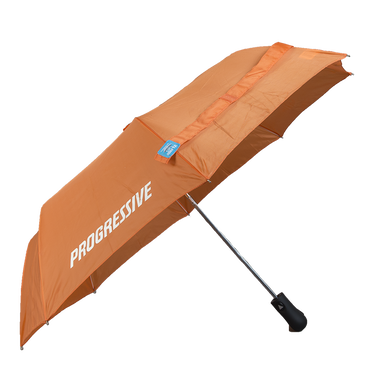
Most types of insurance provide one specific kind of coverage. For instance, your auto insurance policy protects you in case of a car accident, while your homeowner’s policy covers your house, and the belongings in it, against theft or damage. By contrast, umbrella insurance is a single policy that covers most aspects of your financial life – just like an umbrella covers every part of your body in a rainstorm. So, any time you run over the liability limits on one of your other insurance policies, your umbrella policy is there to take care of the extra costs.
Picture
0 Comments
<<Previous

    Contact Us

    (419) 354-3517
    605 N Main St.
    Bowling Green, OH 43402
    Click Here to Email Us

    Archives

    March 2026
    February 2026
    January 2026
    December 2025
    September 2024
    August 2024
    July 2024
    February 2022
    January 2022

    Categories

    All
    FAQs
    Financial
    Insurance
    Local
    Safety

    RSS Feed

Navigation

Homepage
Insurance Quotes
Policy Service
Blog
Contact Us
Agent Login

Connect With Us

Share This Page

Contact Us

Kathrens Insurance
605 N Main St.
Bowling Green, OH 43402
(419) 354-3517
Click Here to Email Us

Location

Website by InsuranceSplash